

 From the files of Donald R. Kirk
Part 2. Fox Sparrow
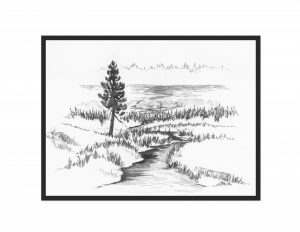
I abandon my log seat, and walk through a stand of ponderosa pine and white fir that border the lake. Before long I arrive on the south shore where a flower–filled meadow slopes to the border of the cattail swamp. The meadow is very wet, even boggy in places. Water emerges from many sources in the meadow and runs in rivulets into the cattails.
Countless birds singing at top volume produce a chorus that is both riotous and delightful. A fox sparrow, perched among the cattails fifteen or twenty feet out into the swamp, sings lustily. I stop walking, wondering how such volume can come from this tiny bird. Male fox sparrows have a wonderful stock of songs. When they start singing, they run through their entire list of songs before they start over. This male fox sparrow looks a little ridiculous, because one foot is grasping the stem of a cattail and his other foot is gripping the stem of a different cattail. If a breeze comes up, the bird appears to be in danger of being pulled in two. It doesn’t seem to bother his phenomenal singing, but how can this position be comfortable?
Fox sparrows commonly nest on the ground, sometimes in bushes, rarely in trees. They make rather bulky nests, well–built of grass, strips of bark, and other plant materials. The nest is lined with hair and fine grasses. They like to build their nest in thickets near streams, in brush lands, or on the edges of forests. The female does the incubating, which takes 12–14 days. The young are fed by both the male and female. When foraging on the ground for seeds and insects, these birds scratch with both feet at the same time.
Abruptly, the fox sparrow stops singing, and flies off to disappear in the grass near the edge of the meadow…to be continued.